


The main Monuments in Florence Italy

The sculptural group of Ercole and Caco was made by Baccio Bandinelli, commissioned by Clemente VII and Alessandro dei Medici, and was placed in July 1534 in front of the Palazzo Vecchio door... [...]
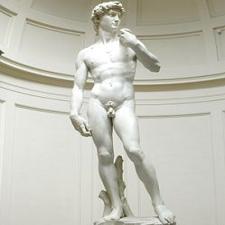
Michelangelo's David, sculpted from 1501 to 1504, is a masterpiece of Renaissance sculpture and one of Michelangelo's two greatest works of sculpture, along with the Pietà. It is the David alone... [...]
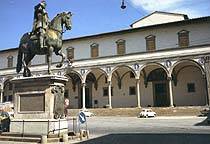
Built in the fifteenth century, the Ospedale Degli Innocenti (foundling hospital) is situated in Piazza della Santissima Annunziata. The famous Portico by Brunelleschi (1419), along its facade, is... [...]
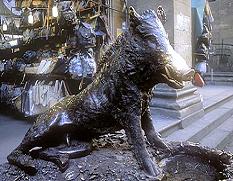
Located in the Loggia del Mercato Nuovo (built by G.B. Tasso for the marketing of fabrics, today has become a vibrant market of Florentine products), we find the fountain of the piglet (even if the... [...]
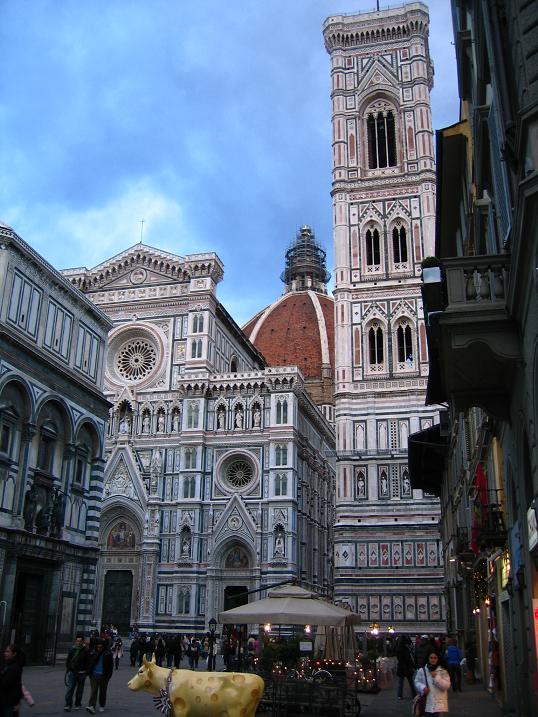
The Bell tower of Giotto is high approximately 85 meters and wide approximately 15 meters and is between the greatest testimonies of the gotica architecture fiorentina of XIII the... [...]
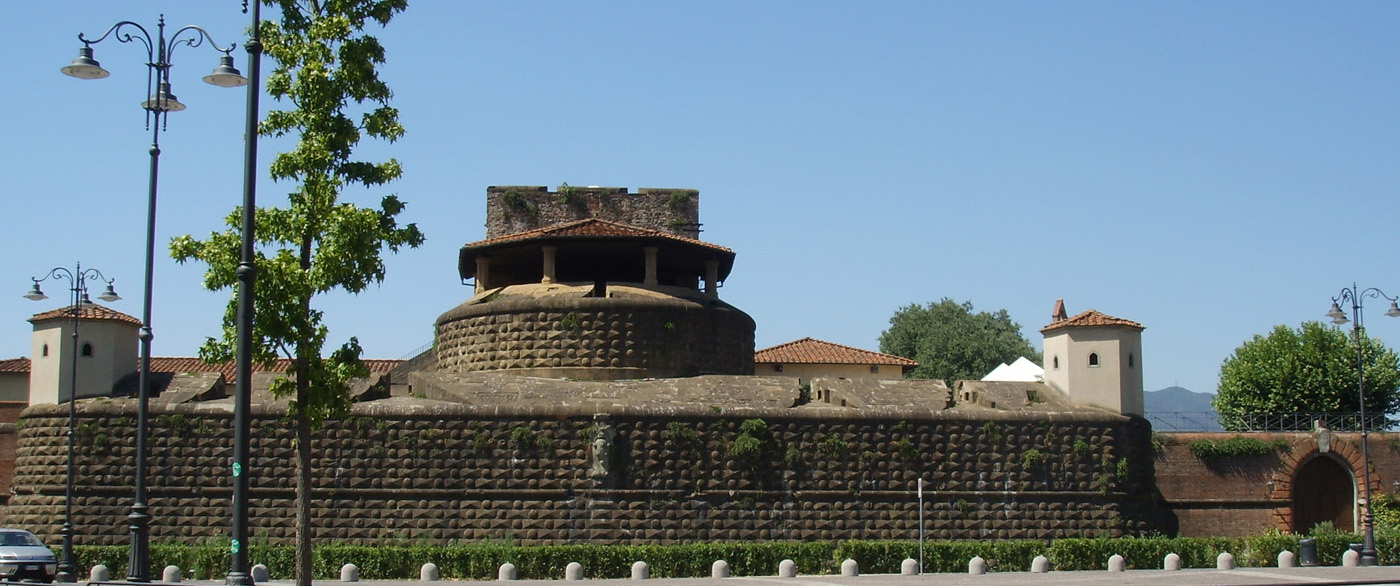
The Fortezza da Basso in Florence was built up in short times in 1534 during tumultuous political revolts and is one of the first Italian villages fortifies. However the Fortress never has not been... [...]
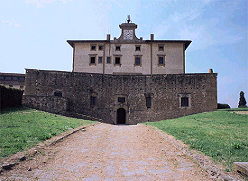
The Forte Belvedere or San Giorgio was built following the project of Bernardo Buontalenti and Don Giovanni de 'Medici in 1590 during the Granducato of Ferdinando I. The fort is adjacent to the... [...]
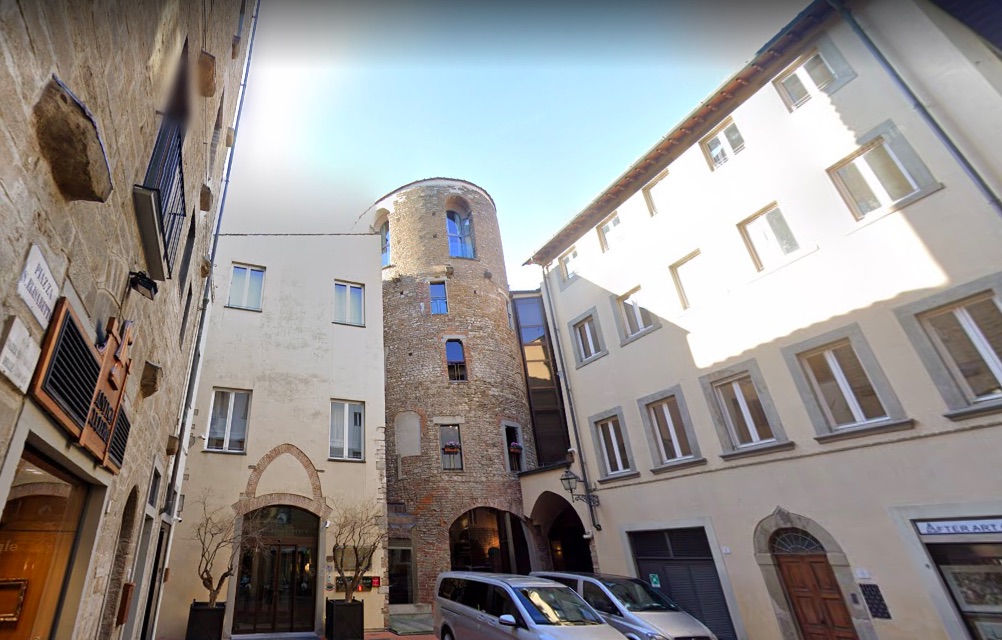
The Torre della Pagliazza is the only cylindrical tower in Florence that has remained intact and therefore perfectly. It is located in the small and welcoming Piazza di Sant'Elisabetta right in... [...]
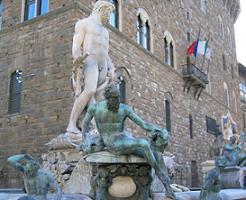
Right in the center of Piazza della Signoria, erected near Palazzo Vecchio is we can admire the beautiful Neptune Fountain (fontana di Nettuno) built by Bartolomeo Ammannati and Giambologna between... [...]
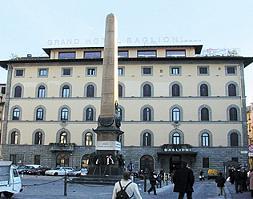
The Obelisk in Piazza dell'Unità italiana is composed of several architectural elements in different stone materials. The base consists of a square-shaped stairway, 5,5 meters by side, of three... [...]
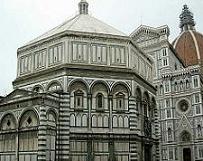
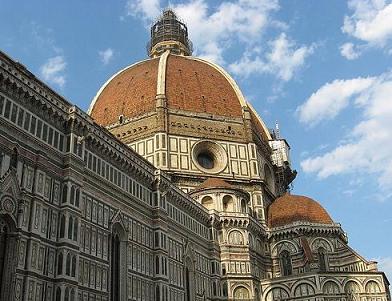
The cupola of the dome has made it a symbol for the whole of Tuscany was created by that genius of the Renaissance, Filippo Brunelleschi, while the facade that completed it was carried out as late as... [...]

In Piazza della Signoria, on either side of the main entrance of Palazzo Vecchio, there are two marble statues called Termini (16th century) close to the façade, used until recently as a support for... [...]
Comments